
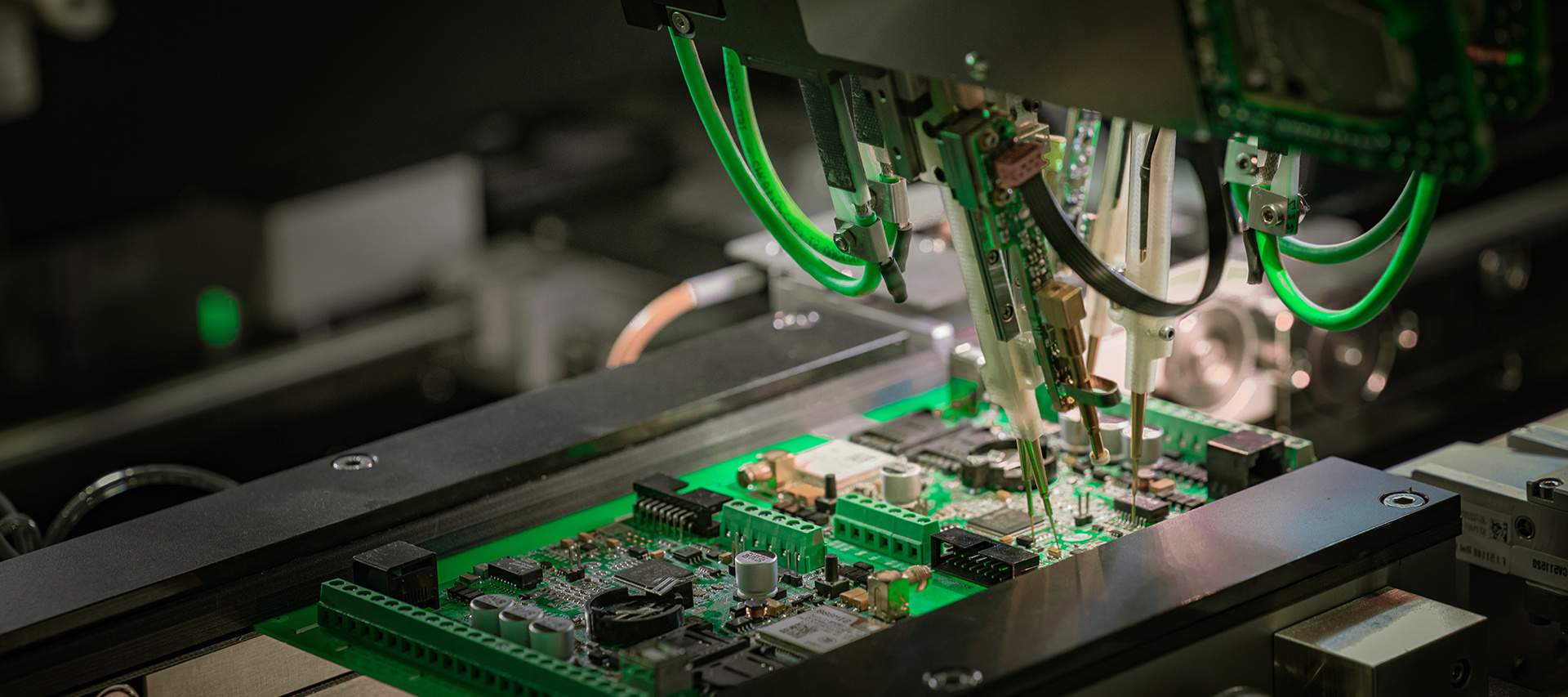

This equipment is mainly used for PCB dust removal and static electricity removal. With the static eliminator, the effect is better and the yield rate is higher. This equipment is designed for PCB panel dust removal, static electricity elimination, and cleaning of surface abnormalities. The electrostatic removal rod features a static eliminator to effectively eliminate static electricity on the product, resulting in better dust removal, higher product quality, and improved yield. It is convenient to replace the dust collection paper rolls, making equipment maintenance and cleaning easy. Regularly changing the paper roll is a straightforward process. The dust collection paper roll uses air pressure to control the contact and pressure between the rubber roller and the product surface, ensuring a better dust removal effect without scratching the product surface. The dust removal roller works in conjunction with the roll to stick dirt and transfer it to a sticky dust film, which can be peeled off layer by layer for efficient cleaning.
The PCB NG/OK Unloader, designed to connect to the back of the AOI, features horizontal movement and go-through functions. It effectively separates OK and NG PCBs after AOI testing, directing them to PCB racks for enhanced protection. The unloader boasts a strong and stable design, ensuring reliable operation and longevity. It is equipped with a PLC control system for precise and efficient control. The smart system includes one-key width adjustment and remote fault monitoring, with the width adjustable in four selectable increments of 10, 20, 30, and 40 mm. This feature enhances flexibility and ease of use. The unloader automatically collects both NG and OK PCBs, streamlining the sorting process. By connecting to the back section of the AOI, it efficiently separates OK boards from NG boards on the production line, ensuring that only quality boards proceed. The standard SMEMA interface ensures easy integration with other equipment, facilitating a seamless production workflow. Additionally, the unloader can communicate with AGV cars for automatic material movement, further enhancing automation and reducing manual handling. This combination of features makes the PCB NG/OK Unloader an essential component for maintaining production efficiency and quality control in PCB assembly lines.
The NG OK vertical buffer is designed to buffer NG (No Good) and OK (Good) boards after inspection by the AOI/SPI machine. It efficiently directs OK boards to the next process while routing NG boards to the upper conveyor for visual inspection. This equipment is used for PCB cooling buffer reflow furnaces and helps to regulate the pace of the assembly line. It features two 30mm optical screw rods positioned next to the lifting screw, which assist in lifting the material frame, ensuring smooth and stable operation. The temporary storage area can accommodate up to 20 PCBs, providing ample buffering capacity. The buffer system includes two independent storage devices that lift separately without interference, utilizing Leadshine servo motors for precise lift positioning. It supports multiple modes, including first in first out (FIFO) and through modes, allowing for flexible handling of PCBs based on production needs. Additionally, the NG OK vertical buffer comes with a standard SMEMA interface, enabling easy integration with other SMT line equipment. This design ensures seamless operation and enhances the overall efficiency and flexibility of the PCB assembly process.
The Magazine Unloader machine is specifically engineered for unloading PCBs from the SMT production line. It efficiently collects PCBs from upstream machines via the attached conveyor, then neatly deposits them into the magazine for further processing. Its key features include a robust and stable design, ensuring reliable operation even in demanding production environments. The machine is equipped with a PLC control system, providing precise control over its functions. Additionally, it incorporates a smart system with one-key width adjustment and remote fault monitoring capabilities, enhancing ease of use and maintenance efficiency. With four selectable pinches (10, 20, 30, 40 mm), the machine offers flexibility in handling various PCB sizes. It automatically collects PCBs from the loader, streamlining the unloading process. The direction of operation can be selected from left to right or right to left, accommodating different production line configurations. Furthermore, the Magazine Unloader is equipped with a standard SMEMA interface, facilitating seamless integration with other equipment in the production line. For added convenience, it offers optional connectivity with VGA cars and automatic magazine carrying systems, further enhancing operational efficiency and automation.
The Magazine Loader automatically loads the production line by pushing PCBs from a magazine onto the conveyor of the downstream machine. This machine is positioned at the front of the SMT production line, where it automatically feeds PCB products, pushing them from the magazine clip into the production line without manual intervention. It features high lifting precision and stability, equipped with a device to prevent PCB shifting, ensuring fast loading speeds and improved production efficiency. By automating the loading process, the Magazine Loader reduces the need for fixed workers, thereby cutting labor costs. It can also connect with AGV systems to achieve unmanned management of board and box material circulation, further enhancing efficiency and automation. The design is optimized for semiconductor substrates, providing a robust solution for various PCB types. Additionally, the machine utilizes a torque control servo motor to push the plates, ensuring precise and reliable operation. This advanced feature helps maintain consistency and accuracy in PCB handling, contributing to a smoother and more efficient production process. Specification
The linking conveyor is versatile for all inline operations, ensuring seamless PCB transfer between process equipment. It serves for equipment linking, visual inspection, manual assembly, and PCB buffering functions. This conveyor offers several notable features. Firstly, it includes a standard one-key switch for transport direction, providing flexibility and convenience in operation. The ergonomic design reduces arm fatigue, making it easier for operators to work for extended periods. Additionally, the conveyor features smooth and parallel width adjustment, with an option for automatic width adjustment to suit different PCB sizes. The length of the machine can be customized according to customer requirements, allowing for a tailored fit within any production line. It also allows for customization in the number of stop boards, ensuring it meets specific production needs. The belt is designed for easy replacement, minimizing downtime during maintenance. For added versatility, there is an option to include permanent ESD belts, which are essential for handling sensitive electronic components. The conveyor is equipped with a standard SMEMA socket for easy integration with other equipment. Lastly, an optional LED lighting device can be installed to enhance visibility during inspection and assembly processes.
Need help to find the right solution with our experts?
CONTACT
Address: Room 301, Building 12, No. 2 Fumin Middle Road, Dalang Town,Dongguan, Guangdong Province 523770, China.
Email: info@seiki-hk.com
Tel: +86 19917563620


Follow
Scan attention consultation
Privacy Policy SEO Citysite Support: 300.cn Dongguan